Soul Walk North is the Latest Chapter in the Albina Music Trust's History of an Iconic Black Neighborhood


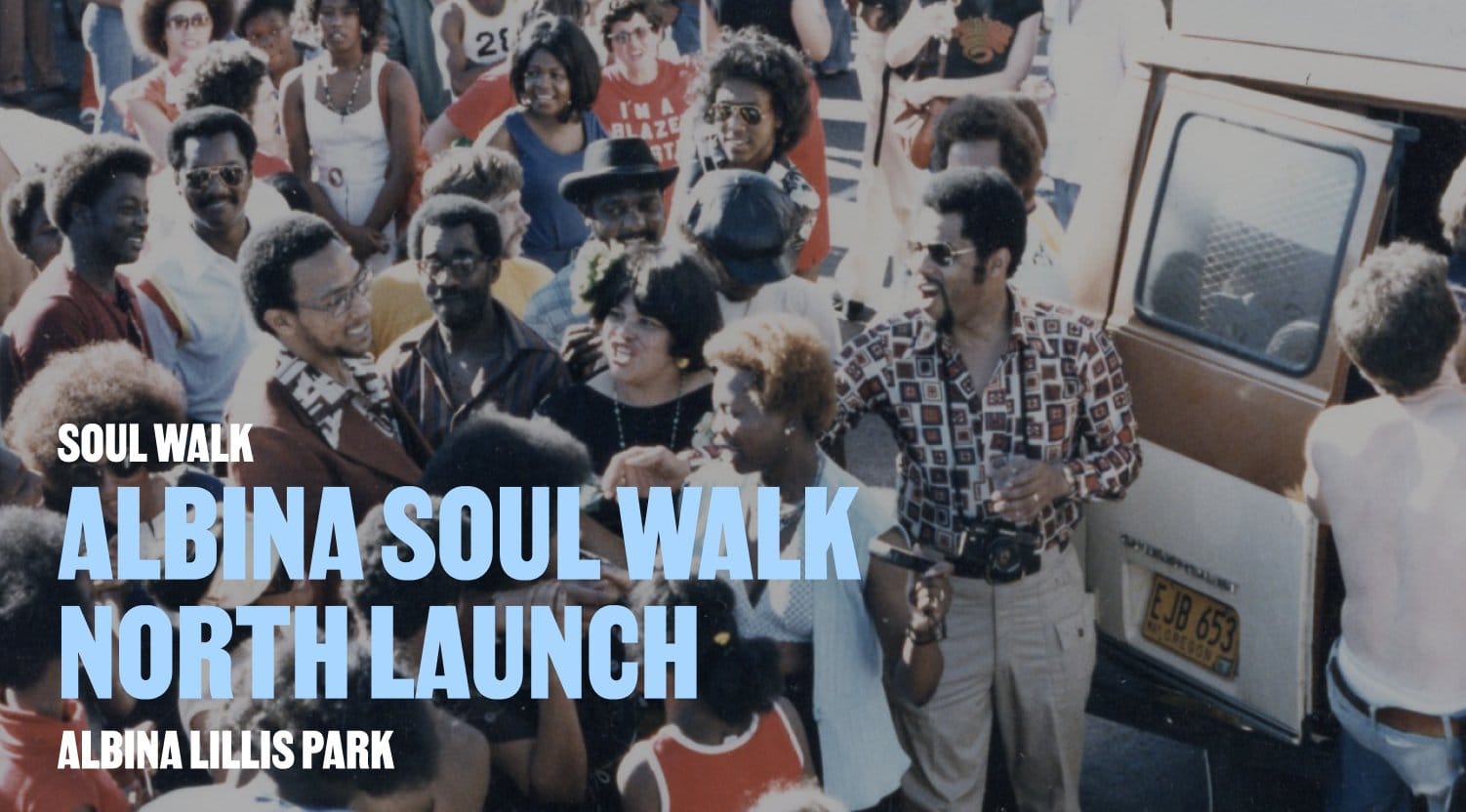
In 2021, the Albina Music Trust (AMT), the nonprofit collective working to archive and honor the history of Black music in North and Northeast Portland, dropped its first Albina Soul Walk. As I reported at the time, “the Albina Soul Walk is an audio tour that, using smartphone GPS, directs listeners through North Portland with stops at locations” where once stood venues and spaces that catered primarily to Black locals.
The experience of taking that mile-long walk through the city’s history was educating, exciting, and damning in equal measure. As much as I enjoyed digging into the back pages of Portland’s music history—much of which has been largely ignored by the paper of record and alt-weeklies—I mourned both the loss of venues like the Cotton Club and 7 of Diamonds due to gentrification and redlining and the potential evolution of the soul and R&B artists that could have been.
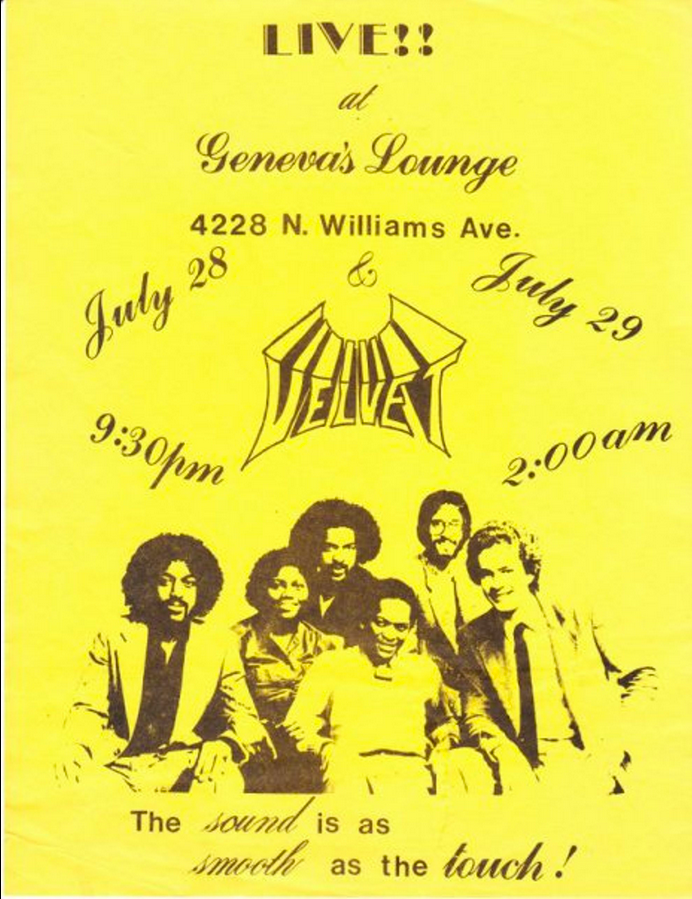
Nearly five years later, the AMT is unveiling the next chapter in this audio history. Named Soul Walk North, the one-mile loop through North Portland is another entertaining and eye-opening journey that starts and ends on notes of renewal even as the map takes folks to sadly lost locales like Bop City Records, the first Black-owned record shop in the city, and Geneva’s Restaurant & Lounge, the jazz hotspot where, famously, a big block party broke out to celebrate the Trail Blazers winning the NBA Championship in 1977. It's a quick, tidy blast of Portland history with a soundtrack that ranges from the 1955 jump blues of vocal group the Hi-Liters to the modern beats of hip-hop producer Trox.
“We knew we wanted to cover as much ground as we could,” said AMT executive director Bobby Smith, “but there's something to a nice, tight one-mile loop.”
Soul Walk North is a perfect representation of what Albina Music Trust does best. The nonprofit has, for over 10 years now, been preserving Portland's Black music history and presenting their efforts to the public with traditional events like concerts and panel discussions as well as a series of physical releases of previously unheard recordings by key artists from the area. The AMT will soon be adding to that discography with an LP by the gospel group High & Mighty set to drop at the end of the month.
The organization’s most impressive work comes through their smart use of technology to disseminate information. The AMT website includes a searchable archive of over 13,000 photos, news articles, sound clips, and videos that stretches as far back as 1911 with a scan of a pamphlet announcing an Emancipation Celebration hosted by the Afro-American Political Union. And, with the help of artist/producer Megan Hattie Stahl, they’ve partnered with the makers of the Echoes Explorer app, which sets the geolocation parameters for folks to hear the stories of the various places along the two Soul Walks.
All of this work has gotten a lot easier for the AMT in recent months. They moved from their original 500 square foot spot in Northeast to an office at least twice the size in the Meyer Memorial Trust building on North Vancouver Ave. The additional space allows them to have their various workers and volunteers in house and will soon house the Trust’s sizable archival holdings, which are currently languishing in a storage unit. It’s at this location that I sat down with some of the folks behind the new Soul Walk, including the person behind the first voice you hear when taking this audio journey: Arietta Ward.
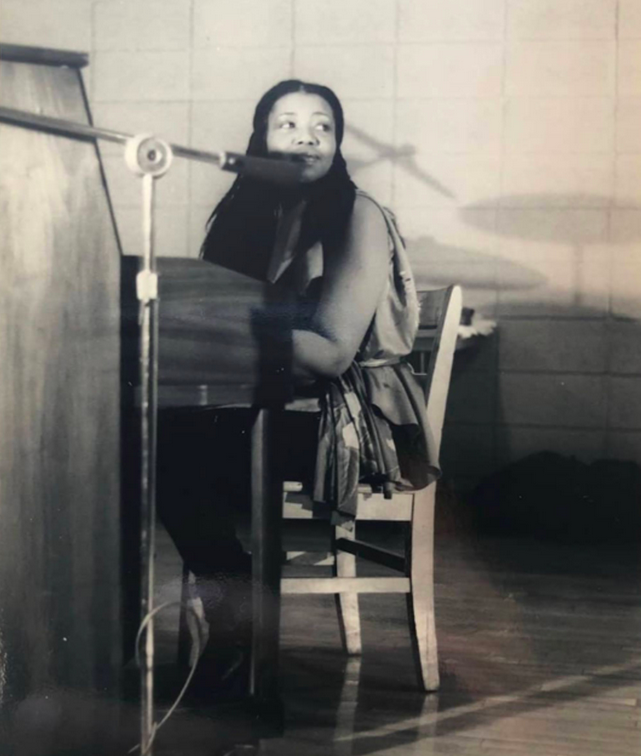
Ward is the daughter of the late, Grammy-nominated jazz pianist Janice Scroggins, and a powerhouse blues and soul vocalist in her own right. She’s also a native Portlander who narrates the Soul Walk, beginning with memories of standing at a bus stop on the intersection of North Williams and Northeast Russell, wondering what was to become of the vacant lot across the street. It was once populated by nearly 300 businesses and homes owned by Black families, but that was all razed when developers bought huge swathes of real estate in 1972 to build Legacy Emanuel Medical Center.
That empty space was, says Ward, “supposed to be part of the hospital, but they didn’t do it. Then I found out what was on the land. They just tore down things. All the generational wealth was just snatched because of the expansion. It means something to be able to bring perspective and remind people that it was a thriving neighborhood and there's been Black people here for a long time. We can’t be hidden.”
Projects like Soul Walk North are making sure that old and young Black Portlanders remain visible—or, at least, audible. Among the interviewees this time around are Paul Knauls, Sr., the entrepreneur whose watering hole Paul’s Cocktails was wiped away by the Legacy Emanuel project, and whose next venture, Geneva’s (named for his wife and business partner), held performances by local musicians and was where that impromptu ’77 block party went down and Mel Brown, the nearly 82-year-old jazz drummer who still performs weekly around the city. Also in the mix are Donna Maxey, who speaks on the legacy of Maxey’s Barber Shop, the business run by her father, Charles, and Marilyn Keller, the celebrated vocalist who is featured in a segment on the Vancouver Avenue First Baptist Church, a pillar of the Black community for close to 70 years.
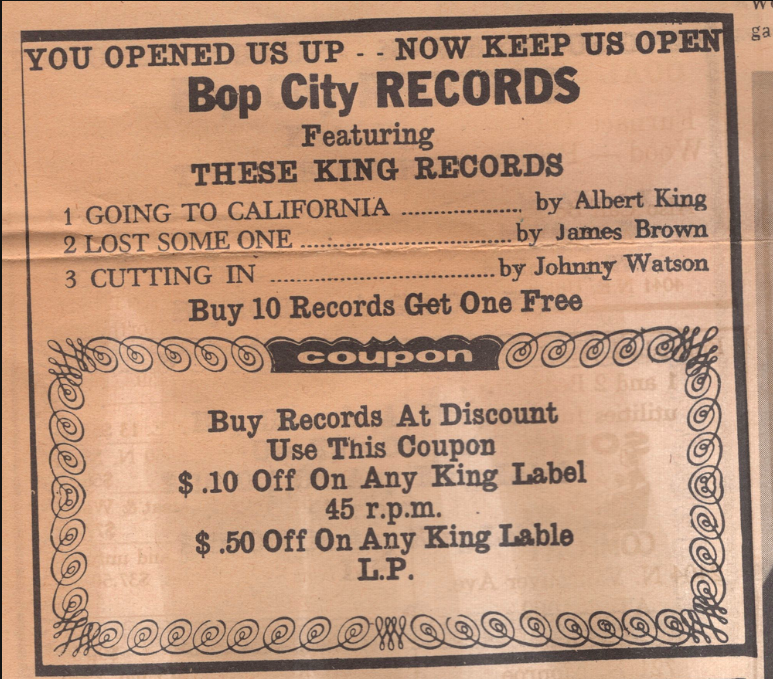
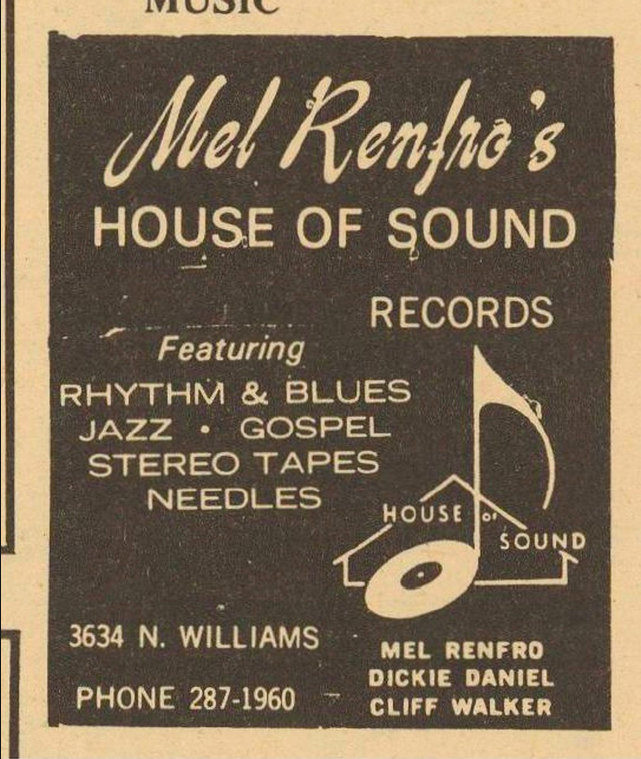
For this record store owner, I was particularly thrilled to hear about the two Black-owned shops that once sat along North Williams: House of Sound and Bop City. The former sat near NE Beech Street and was a hub for crate diggers, DJs, and musicians. The latter was a bit further west and was run by Wilson Smith, Jr., a former Pullman Porter who would use his trips on the Union Pacific Railroad as a way to gather stock for his store. While the story of Bop City is told on the Soul Walk by both Smith’s son and Hurtis Hadley, an employee at the shop, Smith’s granddaughter Nikki Henry, who serves as Archive Operations Director for the Albina Music Trust, happily filled in further details from talking with her uncle who also helped out at the store, and her dad who spent time there as a child.
“The record store was a really big piece of the music community here,” Henry says. “A lot of the big [musicians] that would come through would stop at Bop City. My uncle tells this story about going out to the airport and picking up Marvin Gaye and having this moment of realization. White people didn’t really acknowledge or pay a lot of attention to Black people, so nobody in the airport recognized that it was Marvin Gaye. My uncle remembers thinking, ‘Man, if you all would just look up, you would notice that that’s Marvin Gaye right there.’”
While an undeniable sense of mourning over what was lost to the Black community in the Albina neighborhood burnishes the edges of both Soul Walks, there’s definitely a celebratory thread running through it all, especially this new iteration. As you walk between stops, local DJ J.W. Friday pops up with Soul Walk Radio, playing uptempo tunes from the AMT archives to help keep your steps up North Williams lively. The walk ends on a powerfully uplifting tone with members of the 1803 Fund and Albina Vision Trust outlining their vision for the neighborhood via “restorative restoration.”
As for that once-vacant lot across the street from Arietta Ward’s bus stop, work is already underway to build affordable housing and a business hub that will focus on Black entrepreneurs and community organizers. It all represents some much needed steps forward after years of neglect and racist policies that pushed many Black Portlanders to the outskirts of the city. And it’s that balance of melancholy and hope that permeates the interviews with the elders that make up the Soul Walk.
“There’s a lot of things done that are inexcusable, but there’s no bitterness that I hear,” Ward says. “They just continued on and their stories are being told in a way that people can learn and understand. It all put a not-so-nice tinge on my city, but my city is still beautiful.”
Soul Walk North launches on Sunday June 14 with a launch party at Lillis Albina Park (2451 N Flint Ave) starting at noon. Click here for more information.
Artwork for this edition of Is This Real? is a piece by Adebunmi Gbadebo that is in the permanent collection at the National Museum of African Art in Washington DC.