The Work of Rebecca Sanborn


Hihi, good people. I come to you from my cat-scratched couch in deep SE Portland on a lovely grey Thursday. A little later than I intended, but sometimes life gets in the way of writing. I'm sure you understand.
I've written about this week's star of the newsletter, Rebecca Sanborn, a bunch in the past, but always in the context of playing keyboards in Blue Cranes, the jazz ensemble she has been in for the better part of 15 years. It was nice to focus on just her for once, especially in the context of Shadow Work, her new album that fuses chamber pop, jazz, art rock, and more. I hope you enjoy reading what I've put together.
If you do, share this with friends and loved ones, and give this independent endeavor a subscribe if you haven't already. It would mean the world to me.
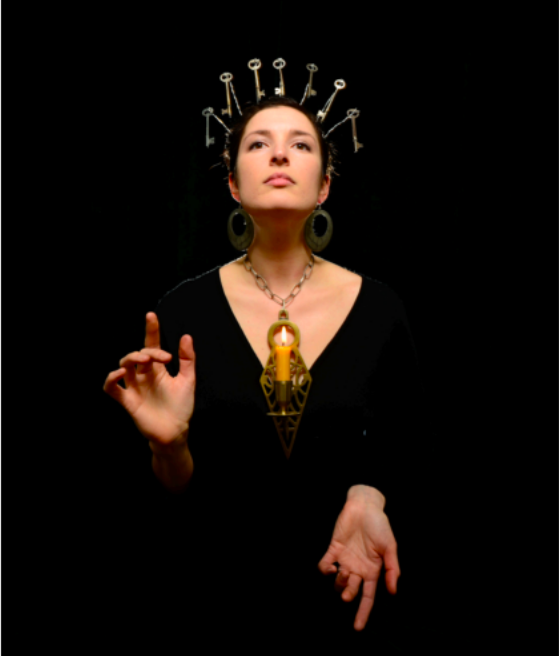
I don’t think the average music fan truly understands how challenging it can be to get an album made these days, let alone one with the scale, ambition, and scope of Rebecca Sanborn’s forthcoming full-length Shadow Work.
Sanborn, the multi-instrumentalist and vocalist perhaps best known for her work playing keyboards in the modern jazz ensemble Blue Cranes, was first commissioned to write a suite of songs for the Portland Jazz Composers Ensemble. With a young child at home and in the early days of COVID lockdown, Sanborn endured months of little sleep to get the first iteration of Shadow Work done, performing it first as part of a PJCE livestream, and again the next year at the Montavilla Jazz Festival with Blue Cranes rhythm section Jon Shaw and Ji Tanzer (Tanzer is also Sanborn’s husband) and pianist Randy Porter. The music was given a jolt of fresh life the next year when outgoing PJCE executive director Douglas Detrick arranged the song cycle for a large ensemble performance at Montavilla Jazz Festival’s 2022 edition.
The story could have ended there, but as Sanborn tells me as we enjoyed some juice and the late afternoon sun at Happy Day on Northeast Fremont, she didn’t “want the songs to just go away. I want to record them.”
The only roadblock there was, naturally, money. How can an independent artist undertake a full-scale recording project without the support of a label and without draining her personal bank account? With Detrick’s encouragement, Sanborn applied for grants, landing some funds from the Regional Arts & Culture Council, the Holler Fund, and MusicOregon’s Echo Fund. The money helped provide a financial buffer as she developed new material for the eventual album, as well as paying for studio time at Hallowed Halls, post-production work, filming a short documentary about the making of the record, and the creation of CDs and vinyl. And keep in mind that all of this was happening in and around Sanborn’s day job, her work with Blue Cranes, other creative projects, and parenting her young daughter, Nadia.
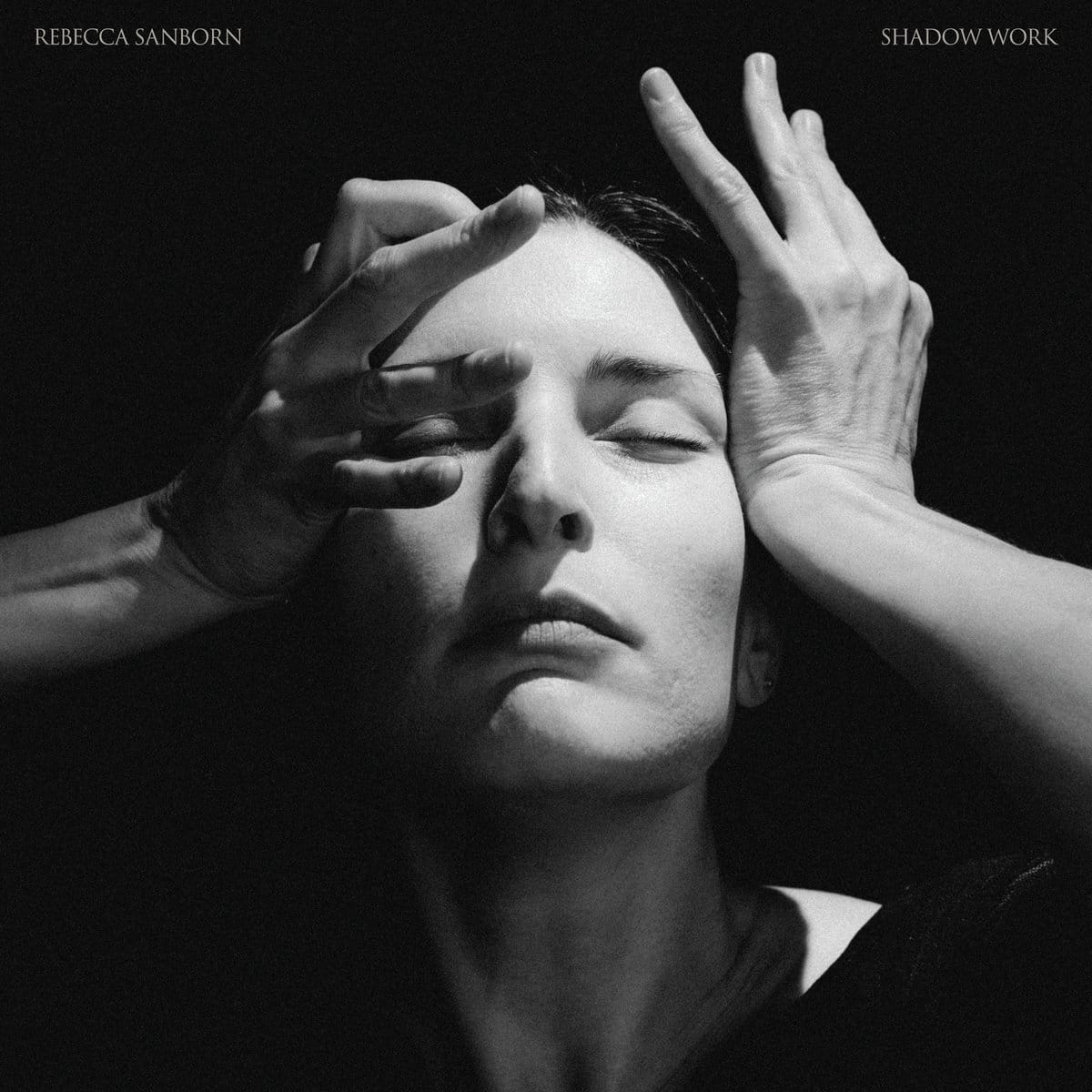
The late nights and blown deadlines and stressful moments certainly feel like they were worth it if Shadow Work was the result. The album is a powerful expression of the female experience in all its complexity. The music recalls the artful pop of Jane Siberry and the theatrical swing of Regina Spektor, all of undergirded by a murderer’s row of jazz players: pianist Jasnam Daya Singh, guitarist Ryan Meagher, bassist Todd Sickafoose, violist Kyleen King, and saxophonist Mary-Sue Tobin, among many others. Sanborn, for the most part, sticks to mainly vocals and lyrics, singing of the joys of dancing in her kitchen with Nadia, wrestling with her self-doubt, feeling the weight of the pressure put on her to succeed in our rotten world, and embracing the discomfort of mortality.
“I like that it’s sitting in its own little world,” Sanborn says of the album. “It’s been nice to get feedback from Randy, listening to it and being like, ‘There’s nobody doing anything like this. And certainly not on this scale.’ It feels really good to have that perspective and support from one of my cherished musical heroes.”
Sanborn can also look back on the five-year development of Shadow Work with some measure of perspective and clarity. She talks about the summer camp vibes of being in the studio with the full ensemble, spending two days knocking out Detrick’s arrangements of the first four songs on the album and then the rest of the record, which uses arrangements from other collaborators like Porter and her now-ex Blue Cranes bandmate Joe Cunningham. But she also acknowledges how much she would get in her own way during the writing process.
“I would get in my head with the heavier tunes,” Sanborn says. “Or they’d be written from a more cerebral place because I’d be like, ‘Oh my God, I’m writing for a jazz festival. I’d better sound cool.’ I would get a little trapped in trying to do a little too much. I had to work to sit myself back and trust in my own process.”
She points to “Chariot,” a song about, as she says, “shaking it off and getting out of my darkness and being present in the moment with my kid. I was like, ‘I’m on a deadline. I’ve gotta write a song today.’ And I was like, ‘You know what? Fuck all this heavy writing for a jazz festival shit. I’m just gonna write a goddamn pop song.’”
My favorite story about the creation of Shadow Work is how Sanborn’s daughter wound up singing on her namesake tune, “Nadia’s Lullaby.” The vocals for the LP were recorded at home, but doing so required bringing in some outside child care to look after Nadia while Sanborn and Tanzer worked. When the sitter backed out at the last minute on an evening she had planned on working, Sanborn lost it.
“I was like, ‘Oh my God, I’m on a deadline. I have to get these tracks to Todd before he goes on tour. What if we have to do this at three in the morning,’” Sanborn recalls. “I had been keyed up and disappointed, and so I was crying.” Nadia wasn’t fazed by the emotional outburst, but instead just sat with her mother.
“She was like, ‘Mom, I have an idea,’” Sanborn says. “‘What if I helped you?’ I was like, ‘You know, that’s a really great idea. Would you want to sing on the record?’ ‘Yeah, I could do that.’ So she’s singing on the outro with me. And it’s such a tearjerker. Todd, when was mixing it, said, ‘I can’t get through this without crying.’”
The work of Shadow Work isn’t over yet. Sanborn and the majority of the players who contributed to the record will be performing all of its songs at the Alberta Rose Theatre on Friday September 4 as part of this year’s Montavilla Jazz Festival. In addition, Sanborn will play a segment of the documentary she was filming about the recording process, in part to encourage people to donate to the Kickstarter campaign she undertook to finally pay all of the musicians featured on the album. Beyond that?
“There’s still all these adult things I need to do,” Sanborn says. “I don’t even have a website for me. I’m always trying to knock down the to-do list and prioritize things, and then you’re in the middle of something and it’s like, ‘Mom! It’s an emergency! I can’t find…’ whatever it is that I spend an hour searching the house for. I should write a song about that.”
Rebecca Sanborn performs Shadow Work live on Friday September 4 at Alberta Rose Theatre as part of the Montavilla Jazz Festival. 7:30 pm. You can also see Sanborn with Blue Cranes on September 17 at the Hollywood Theatre as part of the Sonic Silents Festival.
Artwork for this edition of Is This Real is by Batima Zaurbekova whose exhibition Threads of Heritage opens at the Abylkhan Kasteyev National Museum of Arts of the Republic of Kazakhstan starting September 25.