Portland's Beat Scene Continues to Grow

Hey all! Thanks, in advance, for reading this week's edition of Is This Real? Wanted to jump in right quick with a little note: When I started this, the idea was to do album reviews every week on top of original journalism. But as I thought on it more, the less sense it made to me.
The goal is to celebrate the scene. Criticizing the folks making the art is the opposite of that. I have no doubt that I'm going to have a lot of critical things to say about corporate institutions and big organizations that are trying to make money off the labor of the artists I'll be covering ever week, but it doesn't feel right to cut those same artists down in the process. Make sense? Sure hope so. With that out of the way, let's get to the heart of the matter.
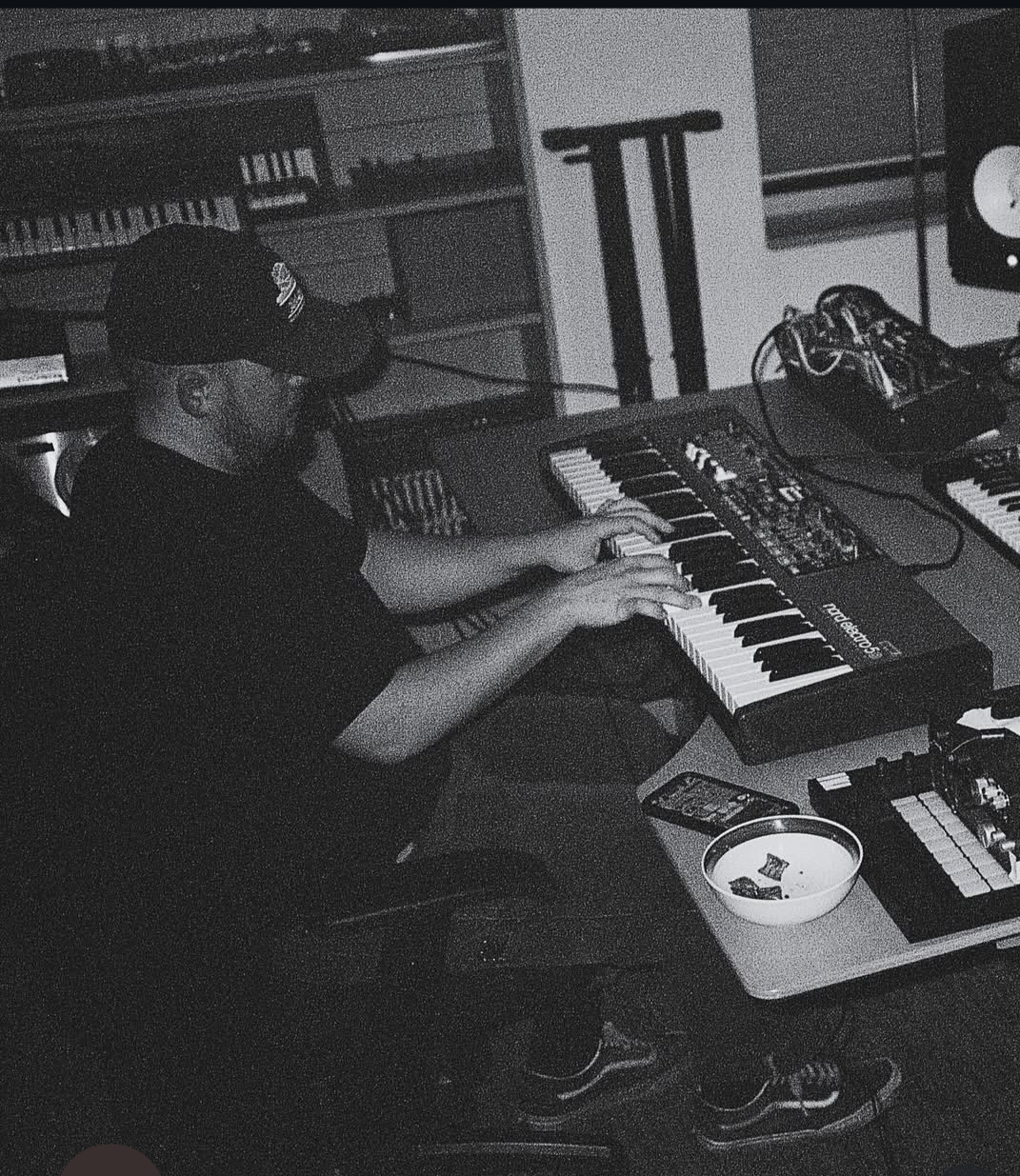
When Jake Robideau was a lad skateboarding around his native Gresham, he’d talk to anyone who would listen, getting to know the adults in his neighborhood in typically precocious fashion. One such grown-up hit this youngster with an unexpected question: Would he like an iPod Nano?
Once he got the all-clear from his mom, Robideau took possession of the device and, among the odd photo of its previous owner taking bong rips, found thousands of songs by artists heretofore unknown to the teen: Burial, Autechre, J Dilla. “All the kids in my school were listening to whatever was on the radio,” he remembers, “but I was in my own world.” As he absorbed these sounds, Robideau became hooked on the idea of making his own rhythm-heavy music.
He has since become a key part of the infrastructure of Portland's beat scene, a loose, constantly renewing collective of artists obsessed with landing the perfect, head-nodding, hip-grinding, fist-pumping track.
In the case of Robideau, his efforts have resulted in a wide range of original material. As Muted Theory, he drops skittering, sputtering, ropey beats, while his project Acid_Wash, a duo with his buddy Auvie Sinclair, produces improvised downtempo and ambient tracks. On top of that, Robideau is planting the seeds for future generations of studio heads as an instructor at Midschool, a scrappy nonprofit that teaches a five-week course in music production and beatmaking.
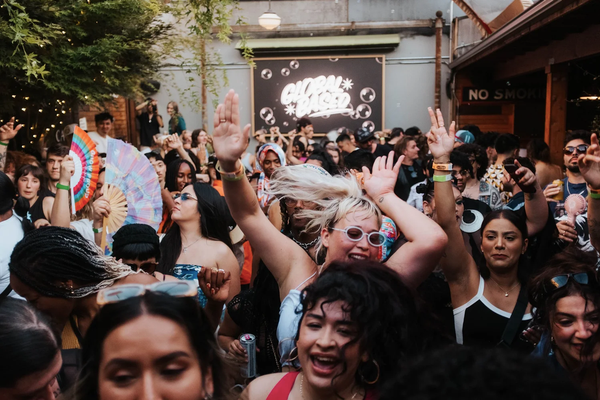
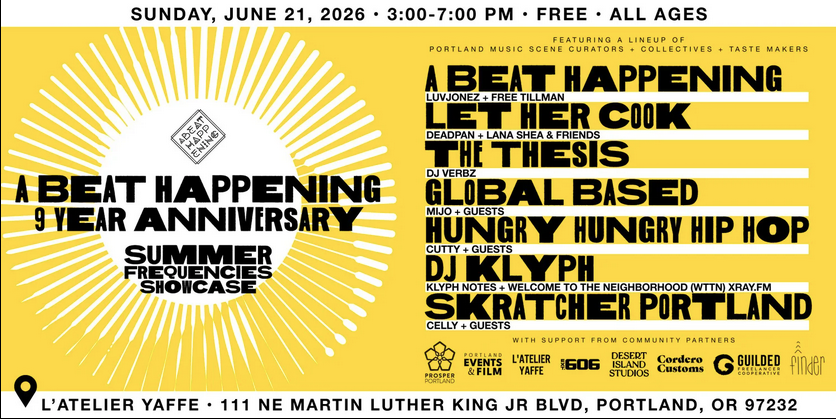
Producers like Robideau have long been the unseen backbone of hip-hop and other club-centric sounds. But in recent years, they've taken center stage, showcasing their latest sample flips and original compositions at proper concerts and at chummy hangouts like A Beat Happening (ABH), the showcase started by producer/promoters Luvjonez celebrating its 9th anniversary this weekend, and Growing Beats, a newer, more low-key monthly event overseen by the artist known as Surebert. Where once the goal was getting some music in the ears of an MC who might want to rhyme on it, with the rise in stature of glorified names like Madib and Dilla, the beat is the thing.
“I still really like working with rappers,” says Surebert (real name Andrew Hanto), “but it’s nice knowing that, if no one picks up on my beats, [they don’t] go to waste. I can do my own thing with it and make a project with it.”
Like Robideau, Hanto started making music as a teen, fucking with early mashups using a cappella tracks and instrumentals he’d rip from LimeWire before graduating to a cracked version of FrootyLoops where he would knock together his own beats.
“People Under the Stairs were the big influence for me,” Hanto remembers. “It was like, ‘Oh, this is something I can do.' It’s not so far out of who I am as a person. They’re just talking about being themselves and having fun and partying and stuff. I was like, ‘This is the kind of music I want to make.’”
His nascent attempts at musicmaking came together while living in Montana where another, surprisingly robust beat scene has taken root. (A second iteration of Growing Beats takes place every month at Missoula's Area 41 Collective.) After returning to Portland, Hanto found kindred spirits at ABH and Thirsty City, another monthly hip-hop and beat showcase that is currently on an extended hiatus whose organizers soon asked Surebert to show off his musical wares.
“That was so amazing to me,” he says. “It was a very embracing community. There’s not a lot of ego involved. Everyone is having a good time, and no one’s trying to be the best or whatever.”
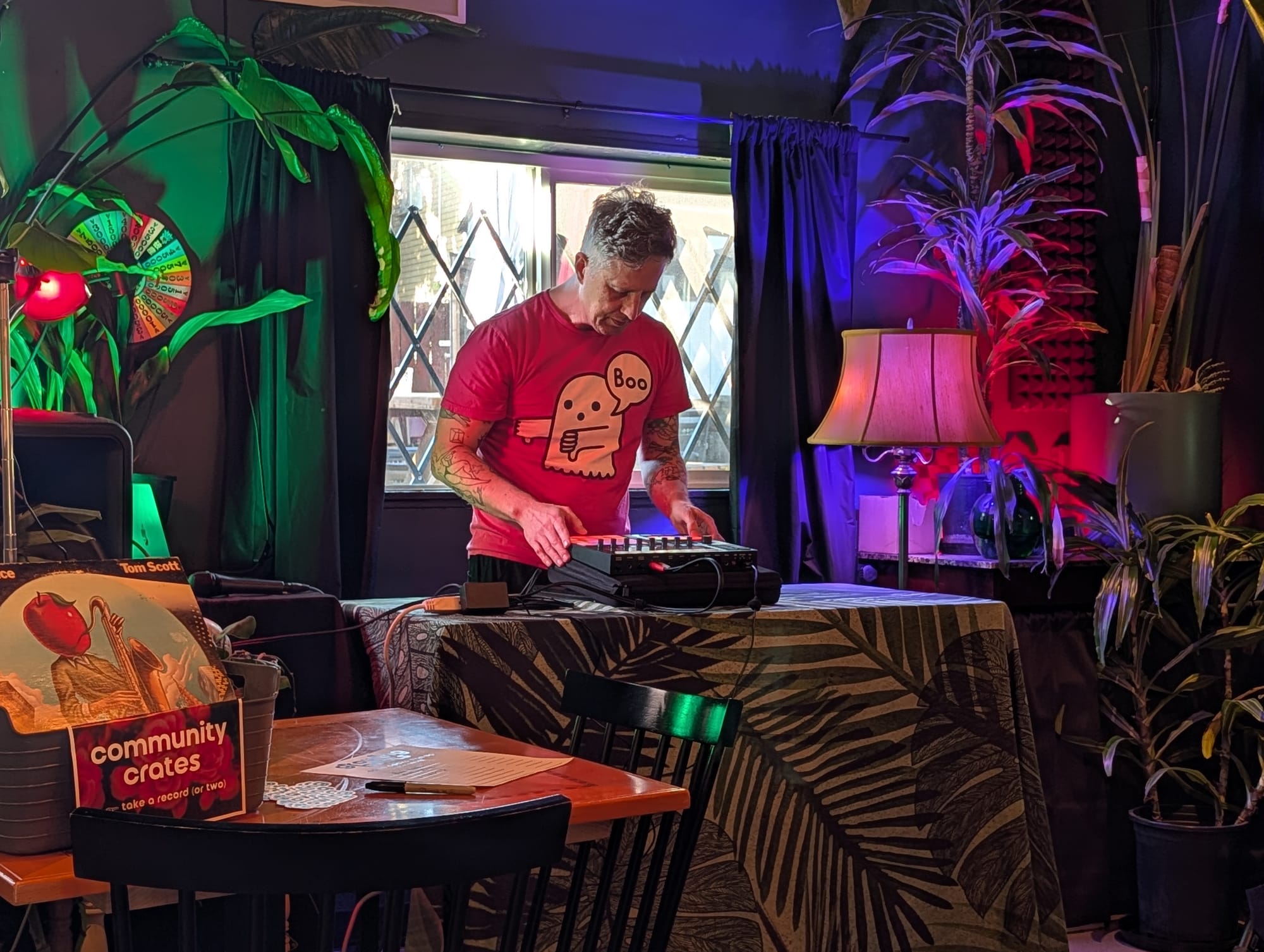
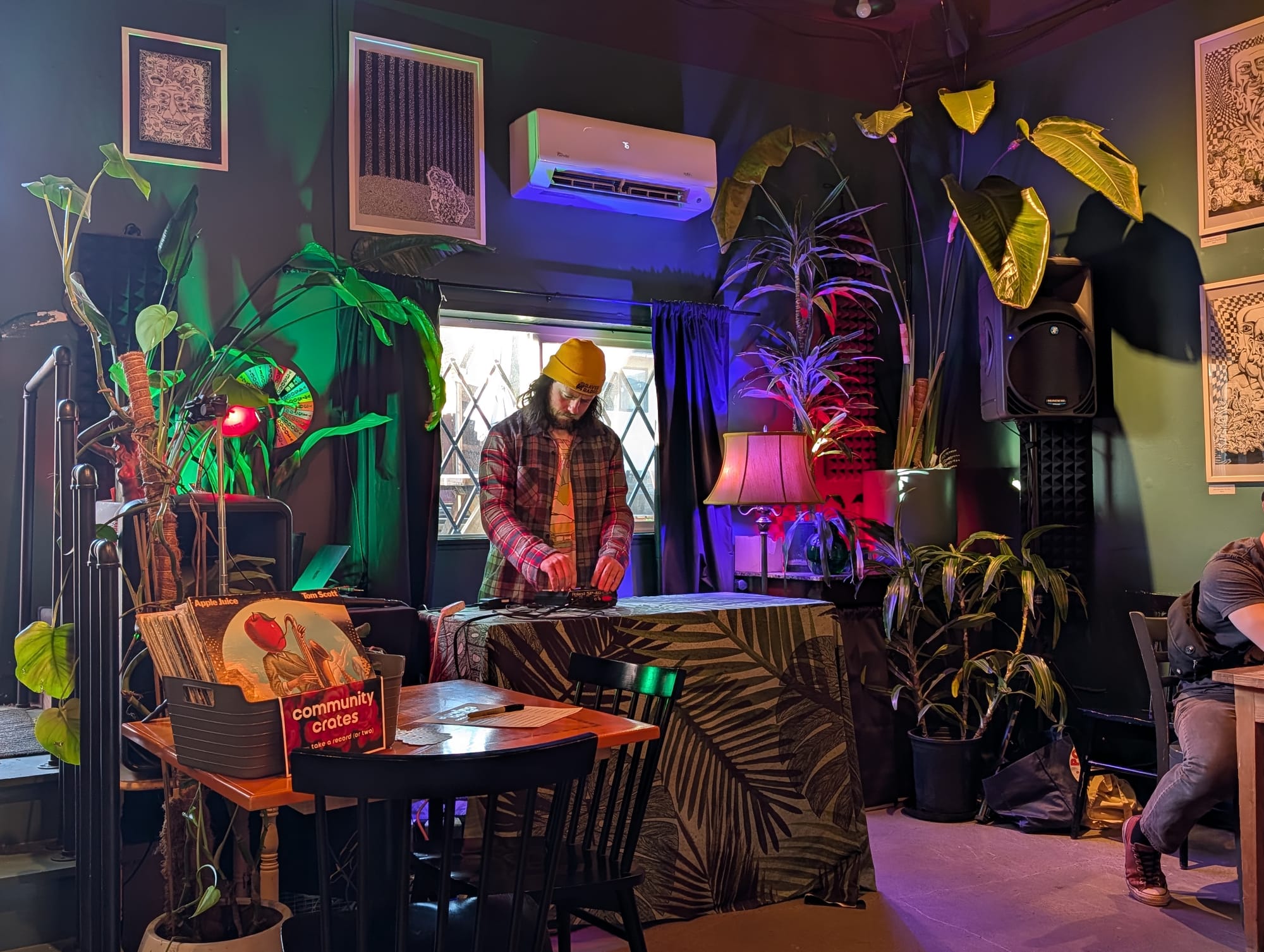
It was in that spirit that Hanto started Growing Beats. The monthly event, which kicked off in January 2024 at Steeplejack Brewing but has since moved to Replicant Beer & Wine on NE Glisan Street, is a low-key, low-stakes, low-stress affair that operates like an open mic night. Producers sign up for a spot and take their turn playing everything from a single track to 15+ minutes of fresh material. Hanto offers up future inspiration among the attendees by placing a “community crate” of records to pick through. And, before each event, he uploads a folder of samples to the Growing Beats website, encouraging producers to flip and chop them at will.
“I’ve had a lot of people come through being like, ‘I’ve never played a set before,’” says Hanto, “and now they’ll come through multiple times and have played other places like A Beat Happening. They started here. It’s a low stress environment for me, too. I don’t have to book a headliner unless I’m maybe doing an anniversary show. People just show up and they create the lineup.”
All of that was apparent at the most recent edition of Growing Beats. The attendees were a motley bunch, carting along their MIDI controllers and samplers through which they punched out an impressive variety of beats. The lanky, Afro-ed Akash Gaman played a full set of heavy-hitting, party starters that inspired him to bounce and throw shapes, while Mitch Myers, aka Brother Mitch, plugged in his Roland SP-404 and played a single, short work that pushed the rhythm behind sheets of atmospheric sounds.
“I moved here in 2017, 2018,” Myers tells me before the night kicks off. "Prior to that I’d seen this dude Foliage Beats on Instagram, and was like, ‘Oh wait, Portland, Oregon!’ Seeing people like him just cooking up some really cool beats was really inspiring.”
While artists moving to Portland has helped refresh the pool of beatmakers, the continued growth of this scene is aided by the low barrier of entry for would-be producers. Recording software now comes standard on new computers, and the Internet is a seemingly endless supply of sample material. Older hardware has become less-expensive to obtain and new gear is being designed more intuitively. And whatever roadblocks may crop up are quickly skirted past thanks to copious YouTube tutorials and Reddit threads.
Nothing, however, can take the place of in-person training under the guidance of an expert. Thankfully, resources are readily available in and around Portland. Mount Hood Community College has Electronic Music Production classes among its curriculum, and, a little further west into Gresham, there's Midschool, a nonprofit academy for would-be beatmakers.
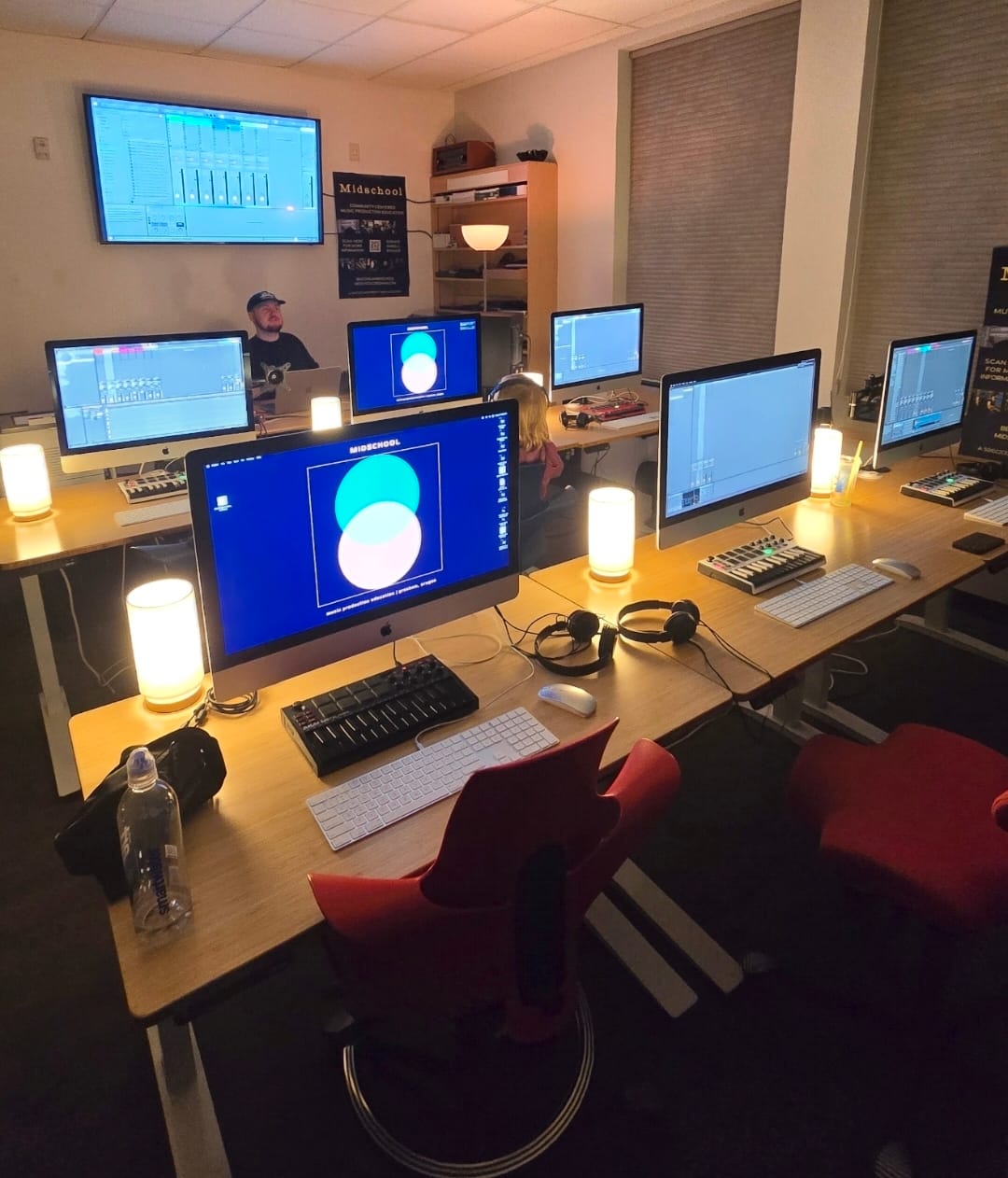
The school, started by Robideau and fellow musicians Jeff McCall and Grant Burgess, keeps class sizes small to accommodate more hands-on, one-on-one teaching as the instructors walk students through the ins and outs of digital audio workstations like Ableton, arranging a song, sampling, and MIDI composition.
The classes, says Burgess, are structured “to accommodate absolute beginners.We provide the equipment and software, and we approach classes as though students know nothing. While each class has a set curriculum and specific points to address, we keep things very flexible. We want to make sure that students are getting what they want out of classes, so we're prepared to pivot.”
To date, the school has seen a couple hundred students come through their doors, each bringing their own unique spin on making original music. Some have gone on to make appearances at Growing Beats and ABH events, but all of them have inspired Midschool's instructors in their own work.
“I think people recognize that this artform is unique in that it is infinitely expansive,” Burgess says. “You can make anything you want out of anything you want. If you want to sample the sound of trains or crowds or birds and turn that into music, you can. If you are a classically trained instrumentalist and want to make beats incorporating your training, you can. If you want to experiment with old or new technology to make music no one has ever heard before, you can. The accessibility and possibilities are endless.”
A Beat Happening's 9th Anniversary Party is on June 21 at 3pm at L'Atelier Yaffee
Growing Beats happens every month from 6-9pm at Replicant Beer & Wine
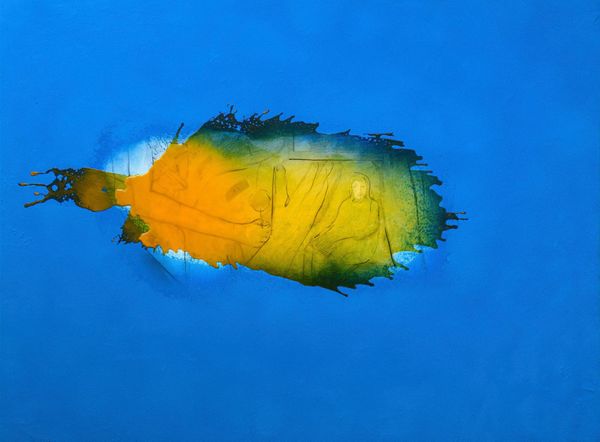
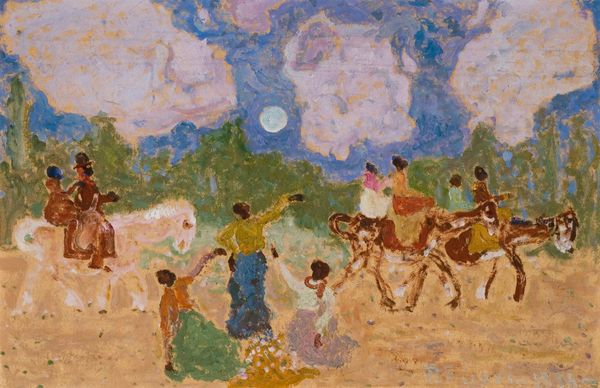
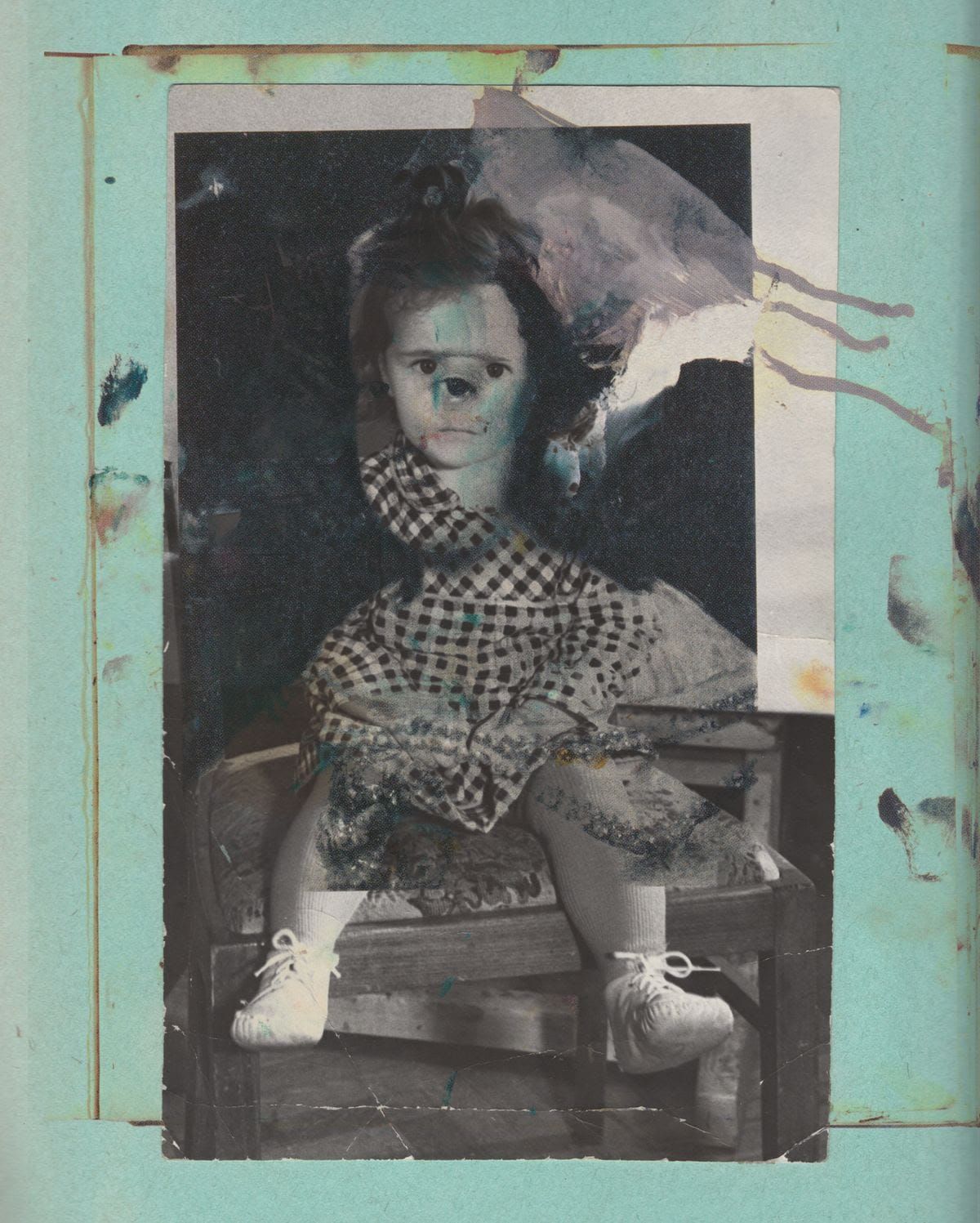
Artwork for this edition of Is This Real? is by Tolia Astakhishvili whose exhibition Figure of a Child opens June 20 at mumok in Vienna, Austria.